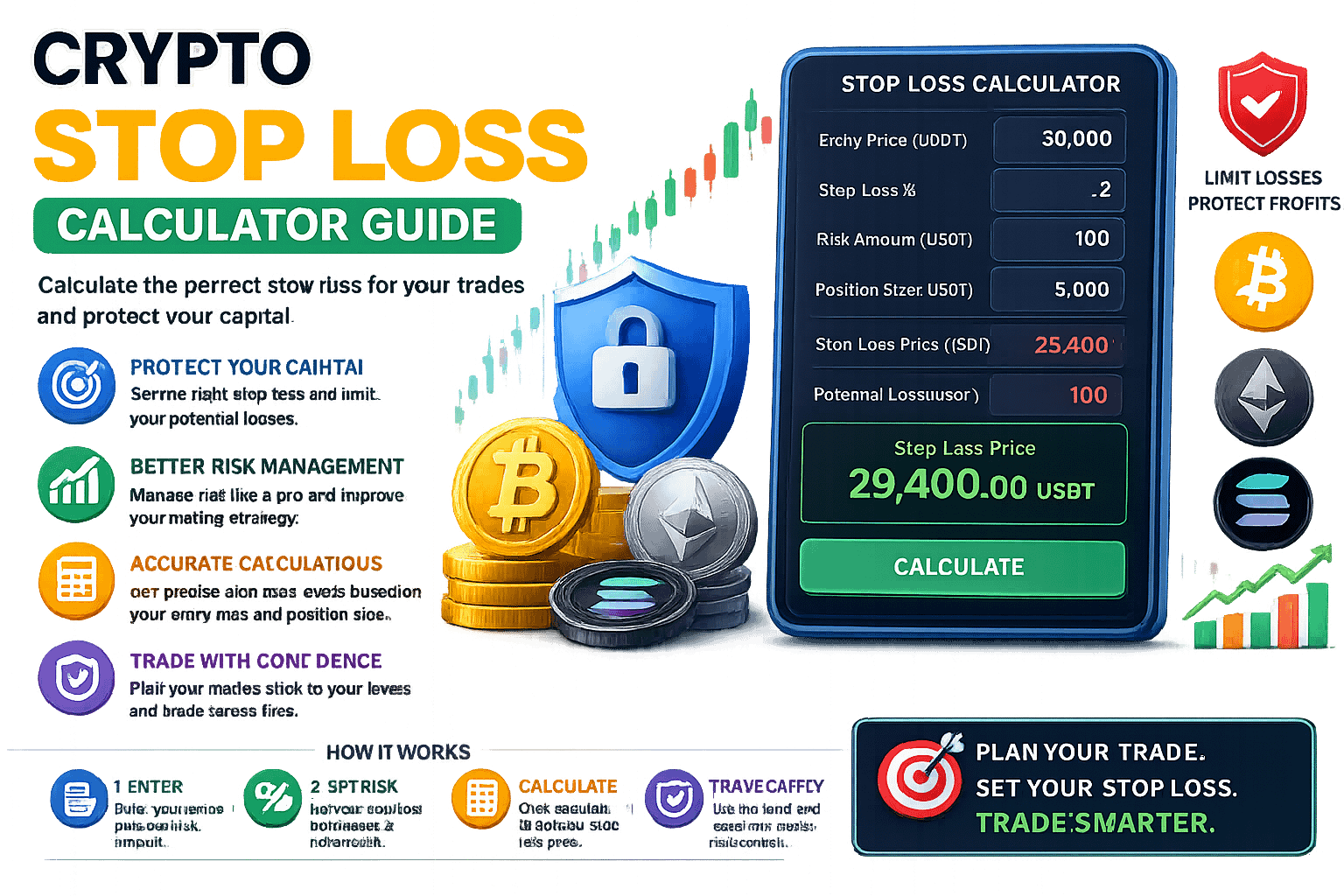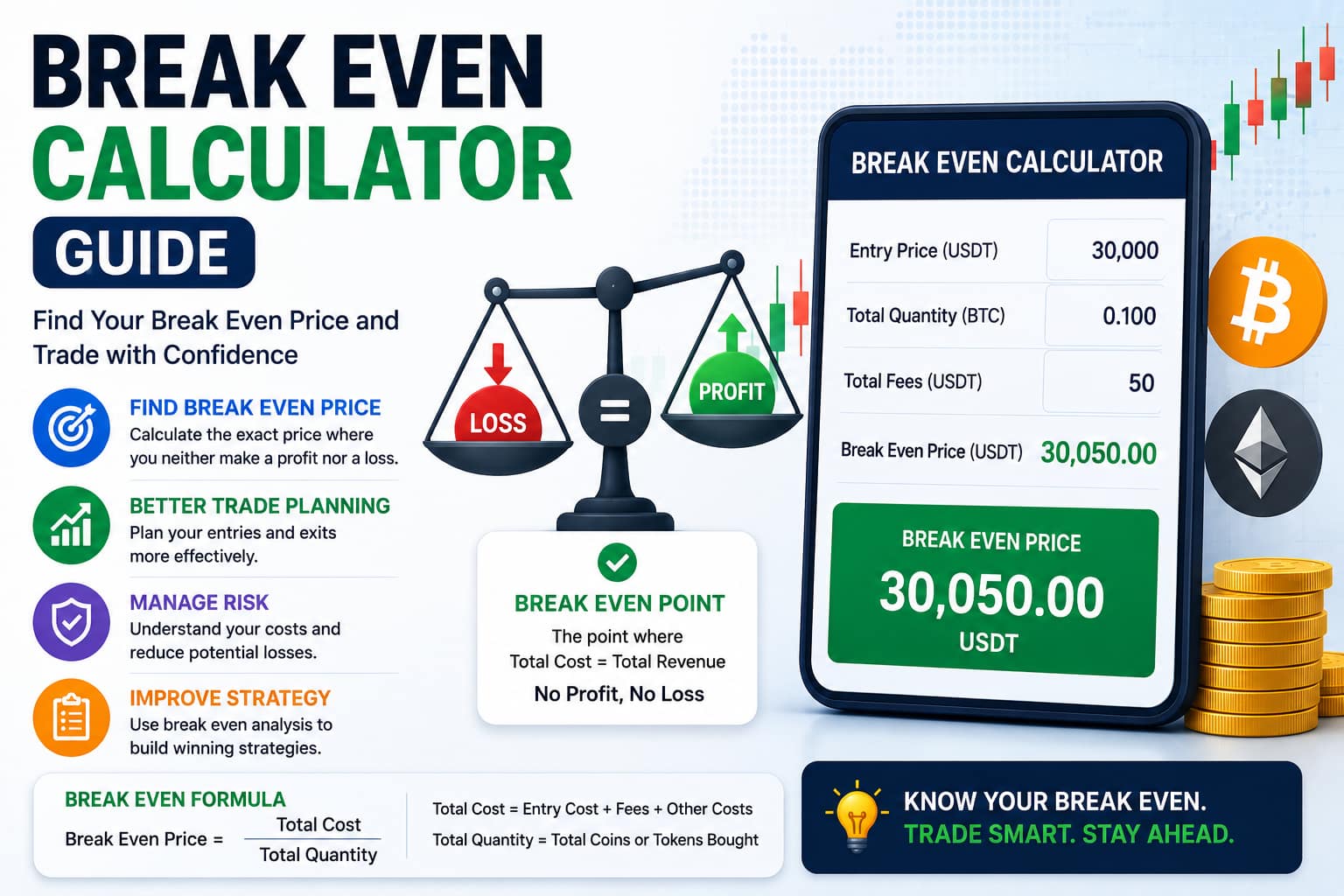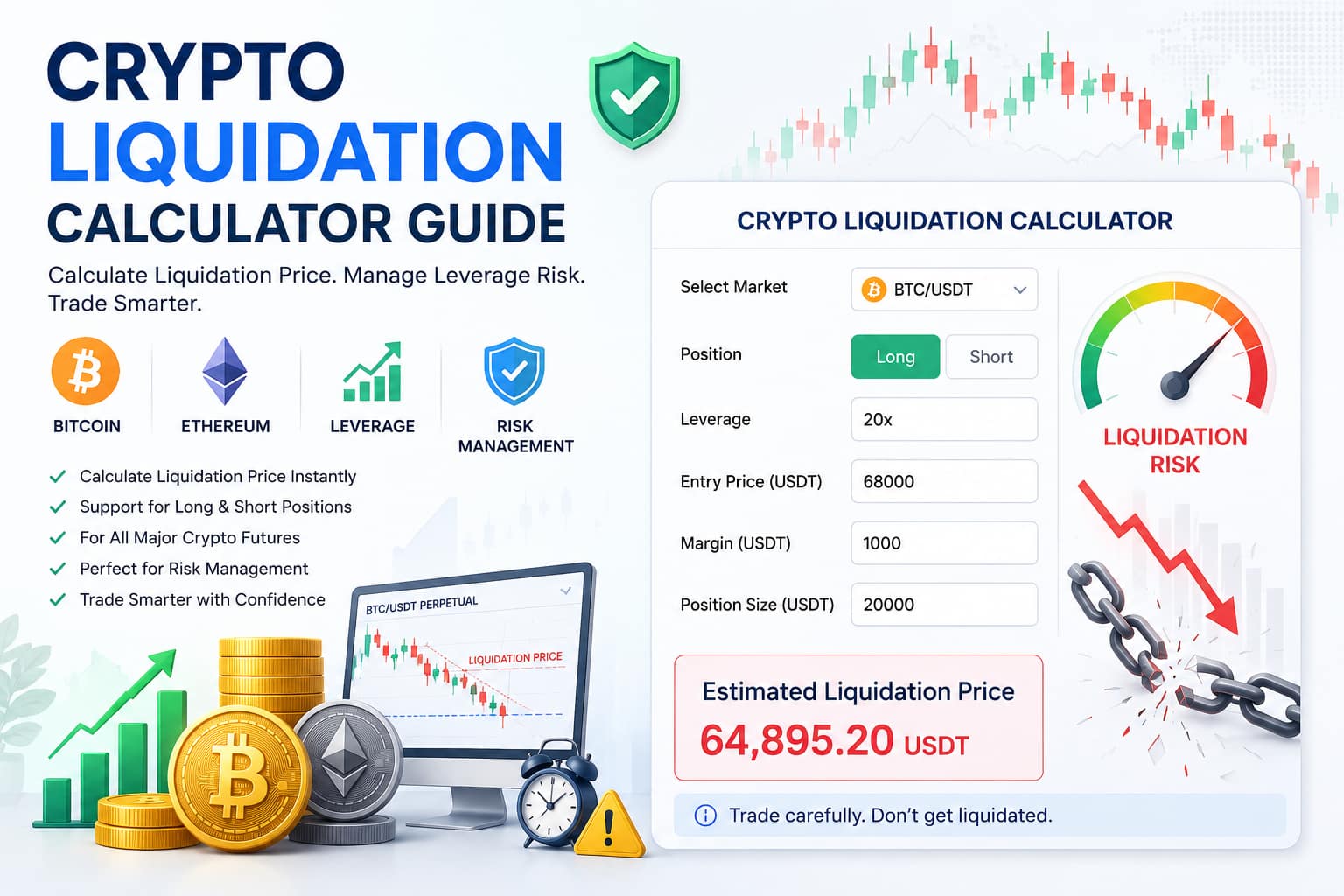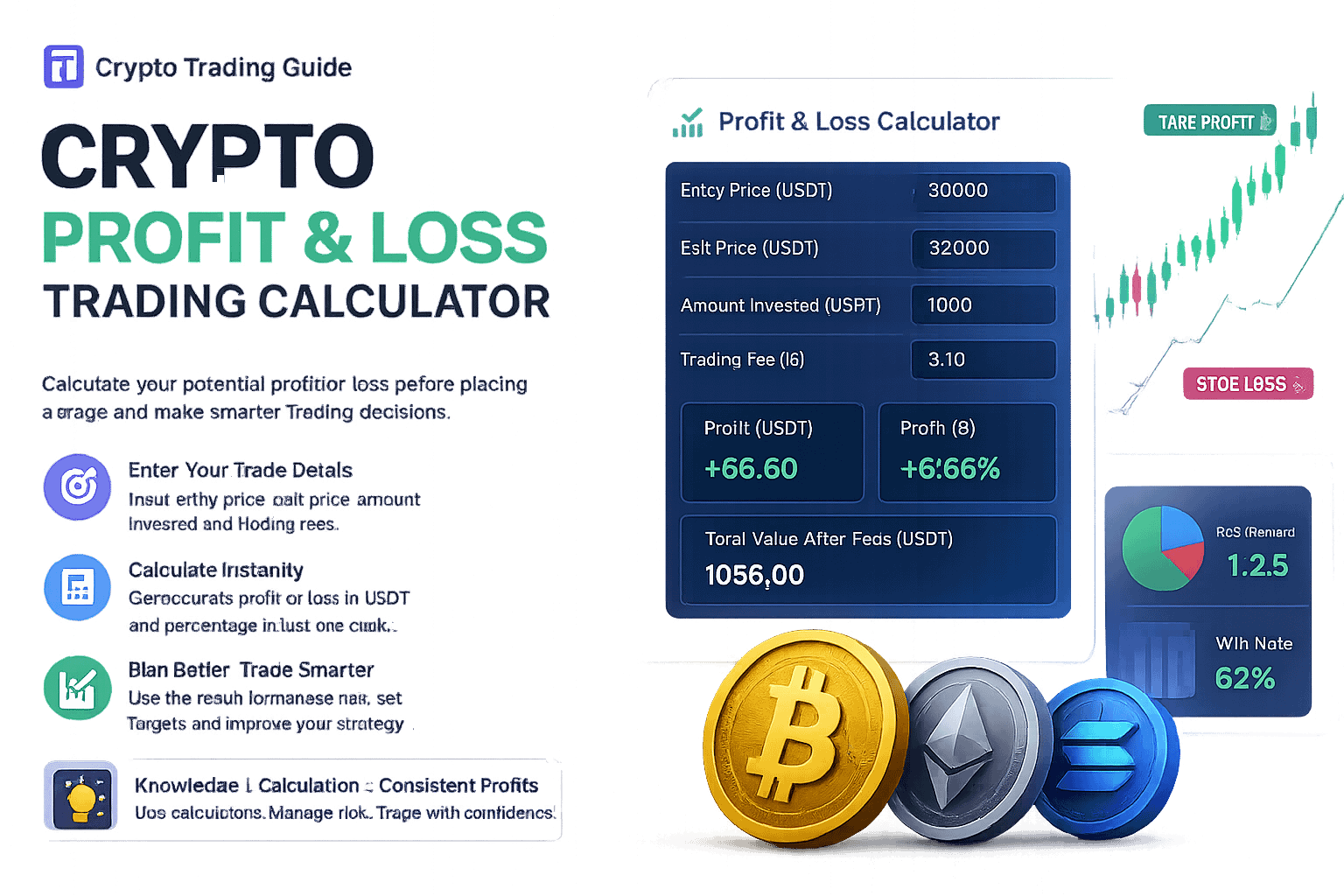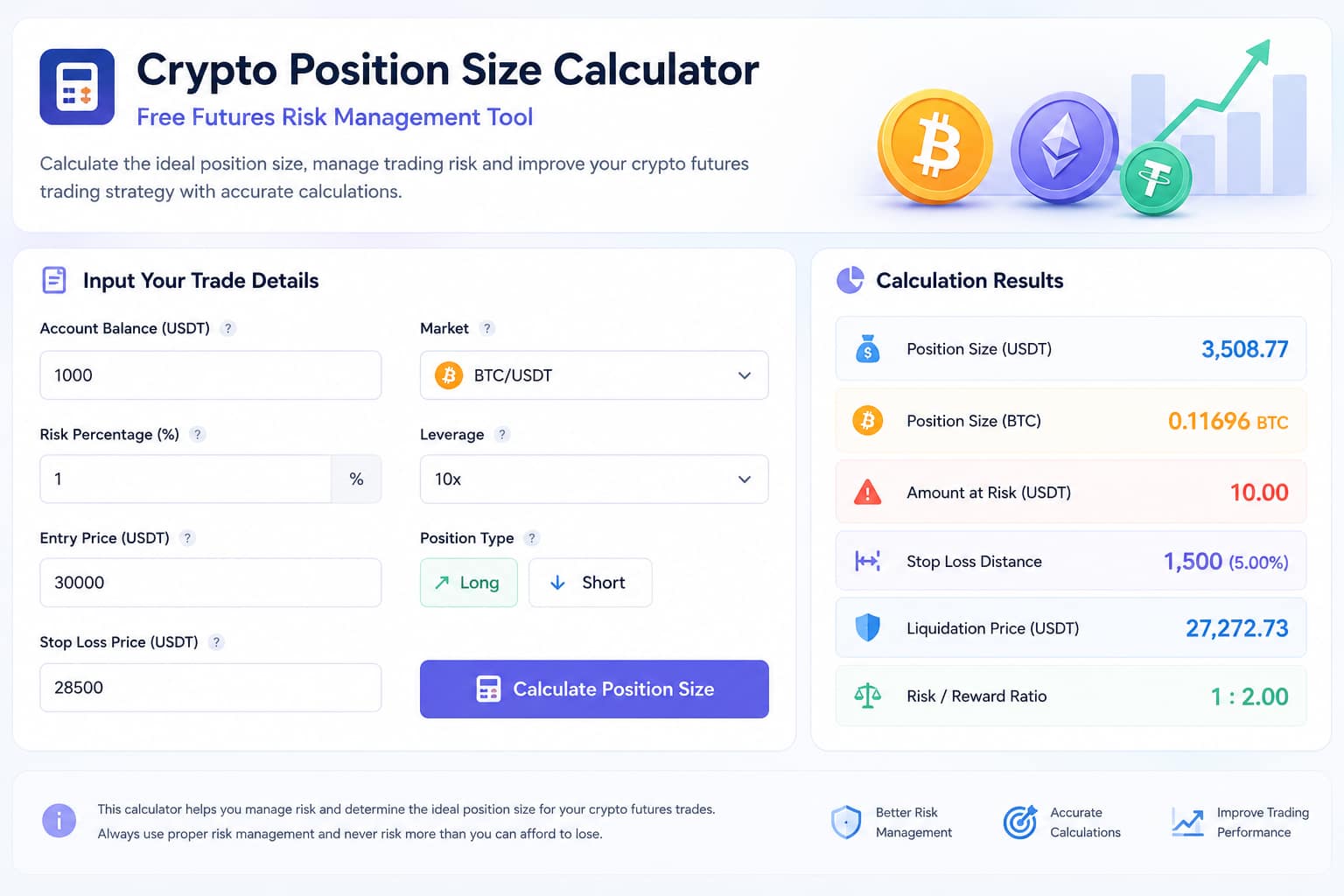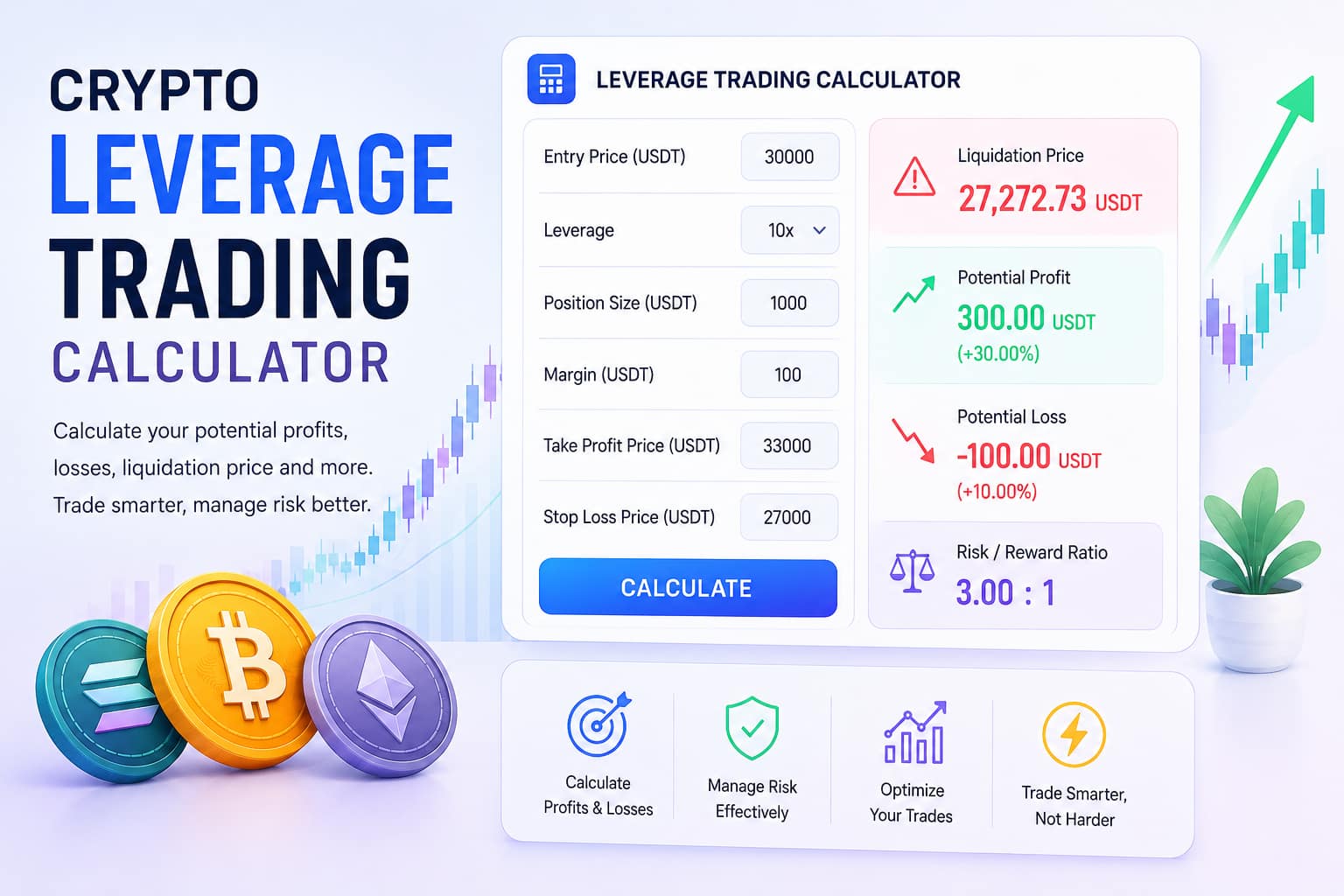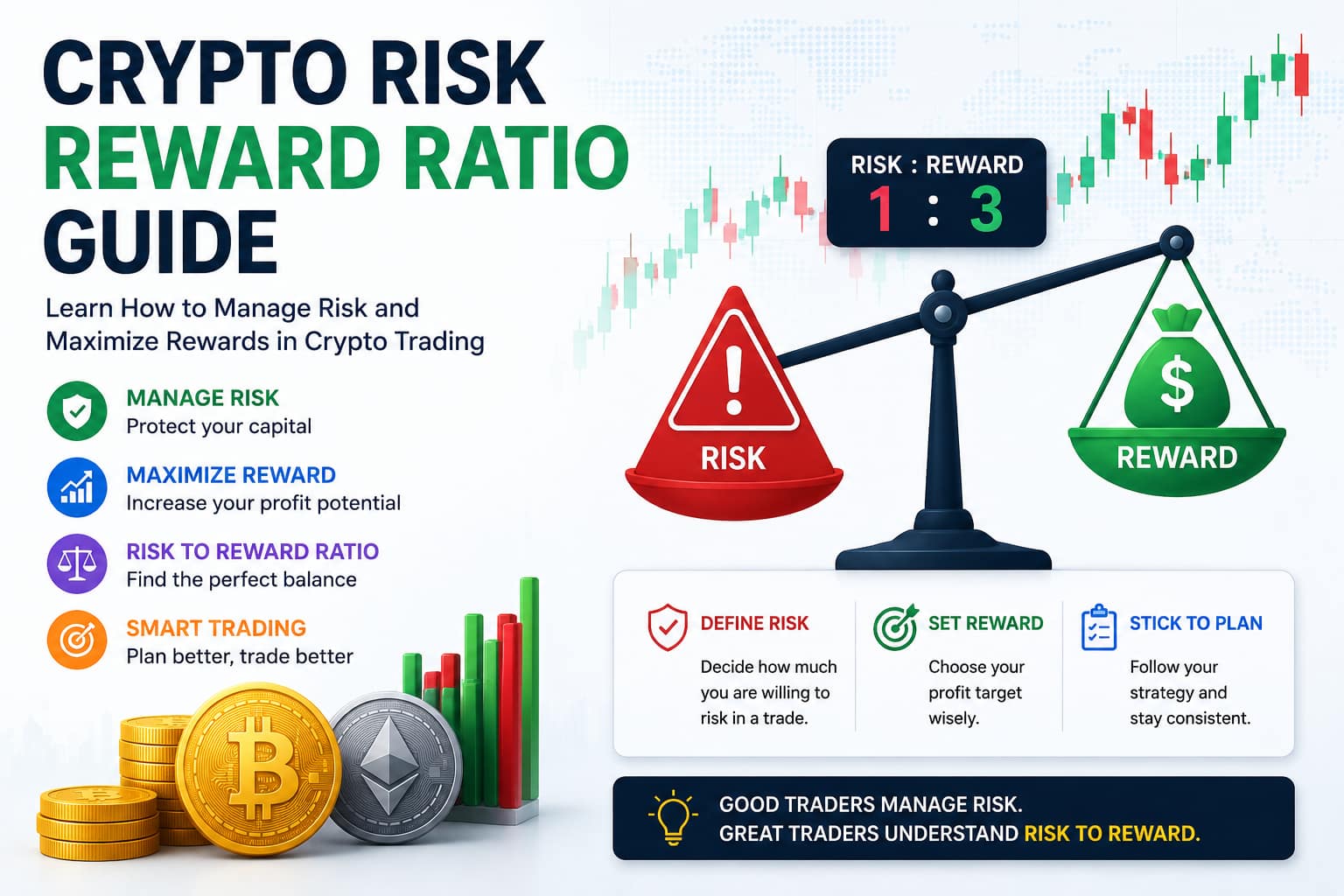
This Crypto Risk Reward Ratio Guide explains how traders use risk reward ratios to plan better entries, stop loss levels, and take profit targets. Whether you are trading Bitcoin, Ethereum, or other crypto futures pairs, understanding the crypto risk reward ratio can help you manage leverage risk and build a more consistent trading strategy over time.
Managing risk is one of the most important parts of successful crypto trading. Many traders focus only on profits, but smart traders always calculate the risk before entering a trade. A Crypto Risk Reward Ratio helps you compare how much you are willing to risk versus how much profit you expect to make. This simple strategy can improve trading discipline and help reduce emotional decisions in volatile crypto markets.
Why Risk Matters More Than Reward ?
In fast-moving crypto markets, it’s easy to chase momentum. But experienced traders don’t enter trades unless the reward significantly outweighs the risk. A healthy trading setup often maintains a minimum 1:2 or 1:3 risk-to-reward ratio.
That means even if only half your trades succeed, you can still remain profitable over time. This is the foundation of professional crypto trading risk management. Over time, this imbalance destroys accounts.
What Does It Really Mean to Calculate Crypto Risk Reward Ratio?
When you calculate crypto risk reward ratio, you are comparing two numbers:
- How much you are willing to lose
- How much you expect to gain
Let’s take a practical scenario.
You enter Ethereum at $2,000.
You place stop loss at $1,900.
You set target at $2,300.
Now measure the distance.
Risk = 2,000 − 1,900 = $100
Reward = 2,300 − 2,000 = $300
Risk reward ratio = 300 ÷ 100 = 3
This gives you a 3:1 setup.
You are risking $1 to potentially earn $3.
That is structured trading.
Is a Higher Risk Reward Ratio Always Better?
Not necessarily.
A 5:1 ratio may look attractive on paper. But if price rarely reaches that target, the probability of success becomes low.
Smart traders look for balance:
- Realistic targets
- Logical stop loss placement
- Minimum 2:1 or 3:1 ratio
When you calculate crypto risk reward ratio realistically, you combine probability with potential payout.
That balance creates consistency.
What Happens If You Trade Without Calculating Risk Reward Ratio?
Imagine this pattern:
You take quick profits at small targets.
But when trades move against you, you hesitate to exit.
Now your wins are small and your losses are large.
Even if you win more often, your overall performance declines.
This is why calculating risk reward ratio before entry is critical. It forces you to define boundaries.
Boundaries protect capital.
How Does Risk Reward Ratio Improve Long-Term Performance?
Let’s compare two traders over 10 trades.
Trader A:
Wins 7 trades
Uses 1:1 ratio
Trader B:
Wins 5 trades
Uses 3:1 ratio
Despite winning fewer trades, Trader B often performs better because each winning trade outweighs losses.
When you calculate crypto risk reward ratio consistently, you shift focus from win rate to mathematical edge.
That shift changes everything.
Should You Combine Risk Reward Ratio With Position Size?
Yes — absolutely.
Risk reward ratio alone is incomplete without capital control.
Suppose your trading capital is $10,000.
If you risk 1% per trade, your maximum loss should be $100.
Now adjust your position size so that when stop loss hits, you lose only $100.
This ensures survival during losing streaks.
Crypto trading risk management is not about avoiding losses. It is about limiting them.
Can Crypto Trading Tools Help With Risk Reward Calculation?
Yes.
While manual calculation is possible, crypto trading tools allow you to:
- Test multiple scenarios quickly
- Adjust targets logically
- Optimize stop loss placement
- Maintain precision
Tools reduce calculation errors.
But discipline comes from the trader.
When tools and planning work together, your decision-making improves significantly.
What Is the Real Purpose Behind Risk Reward Planning?
The real goal is not prediction.
The goal is protection.
Markets are unpredictable.
Your exposure does not have to be.
When you calculate crypto risk reward ratio before entry:
- Loss becomes acceptable
- Reward becomes structured
- Emotion reduces
- Discipline increases
Trading becomes systematic instead of reactive.
Are You Measuring Before You Trade?
Before entering your next trade, ask yourself:
- What is my defined risk?
- What is my expected reward?
- Does the ratio justify the exposure?
If you cannot answer these questions clearly, the trade is not ready.
Patience often saves more money than perfect timing.
Conclusion
In crypto trading, profit is important — but risk control is more important. Calculating your risk-reward ratio before entering a trade helps you make disciplined and informed decisions. Never enter a position without understanding your potential loss. When risk is managed properly, consistency improves. And in trading, consistency matters more than occasional big wins.
Calculate first. Trade second.
Disclaimer :
Cryptocurrency trading involves high market risk and price volatility. The information provided in this article is for educational purposes only and does not constitute financial or investment advice. Always conduct your own research before making any trading decisions.
Related crypto Trading Calculator :
Crypto Risk-Reward Ratio Calculator :
Related Crypto trading Calculator Guides :
Crypto Liquidation Calculator Guide :