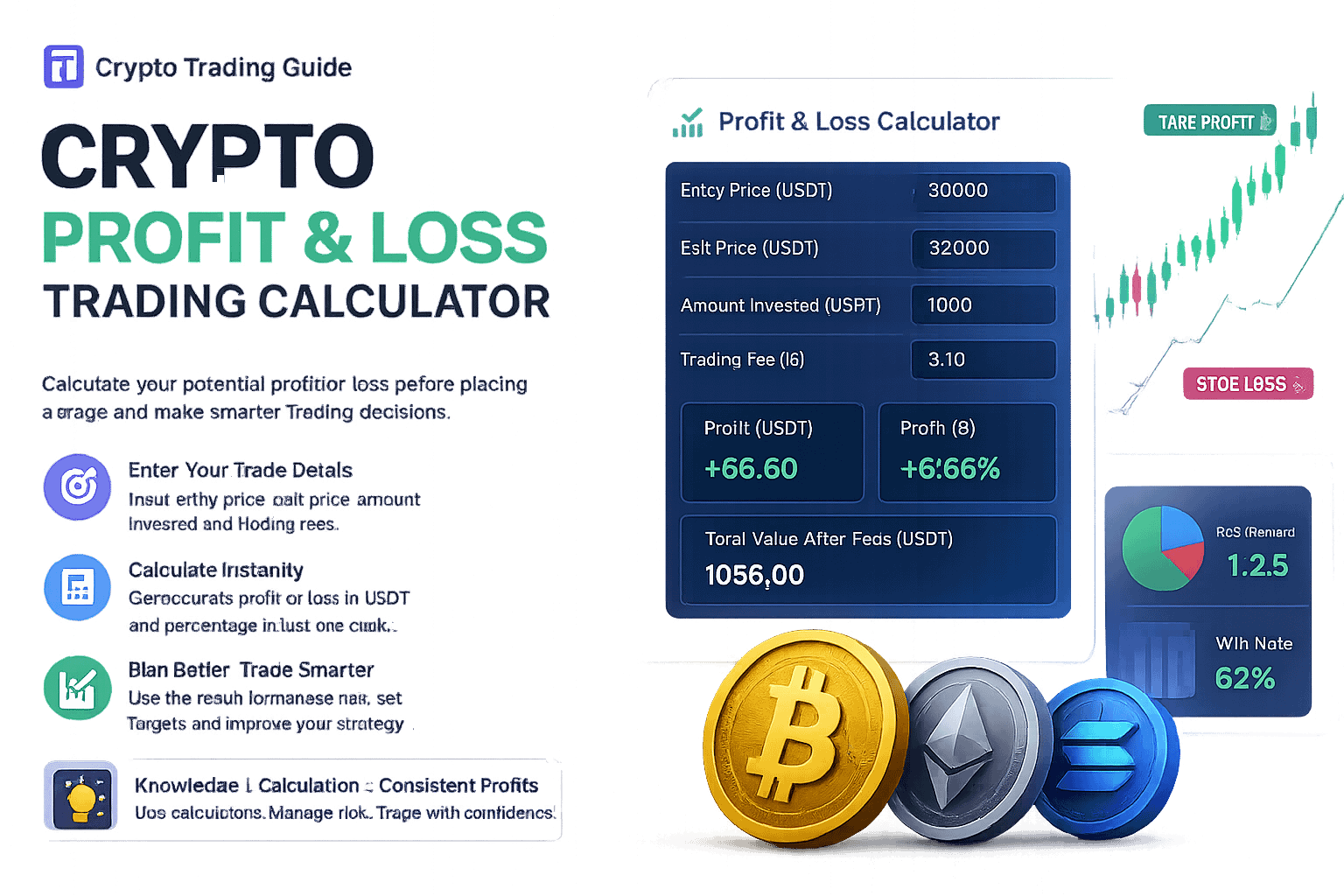
This crypto profit & Loss trading calculator guide explains how to use the calculator step by step for Bitcoin, Ethereum, and other cryptocurrency trades. By understanding your profit and loss before entering the market, you can improve risk management, avoid unnecessary mistakes, and make better trading decisions in volatile crypto markets.
Crypto trading is not only about making profits. It is also about managing losses smartly. Many beginner traders enter the market hoping for quick gains, but without proper risk management, even a few emotional trades can lead to major losses.
A strong profit and loss strategy helps traders stay disciplined and make better decisions during market volatility.
What Is Profit and Loss in Crypto Trading?
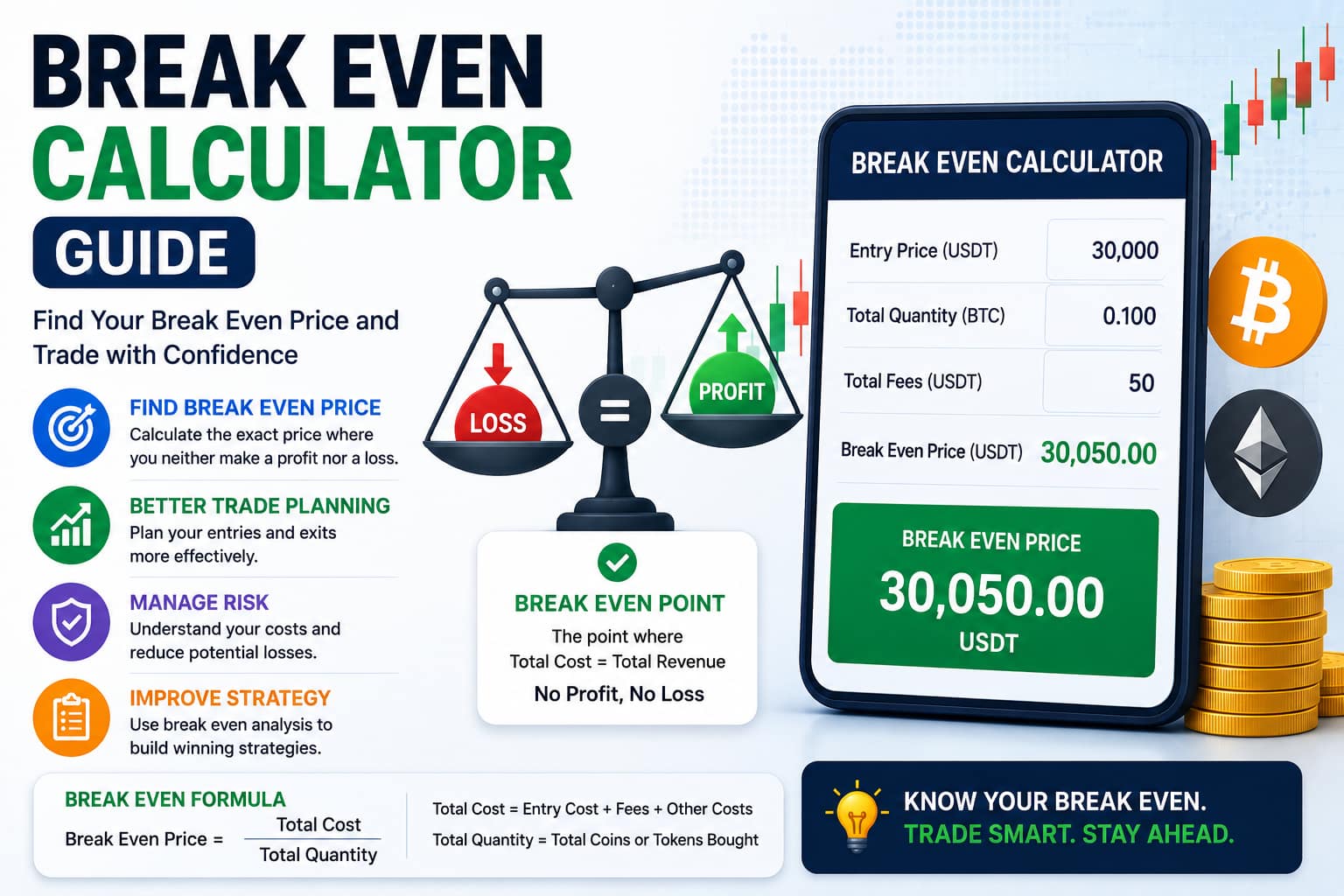
Profit happens when you sell a cryptocurrency at a higher price than your buying price. Loss happens when the market moves against your trade.
Example:
- Buy Bitcoin at $40,000
- Sell at $45,000
- Profit = $5,000
If the price drops instead, the difference becomes your loss.
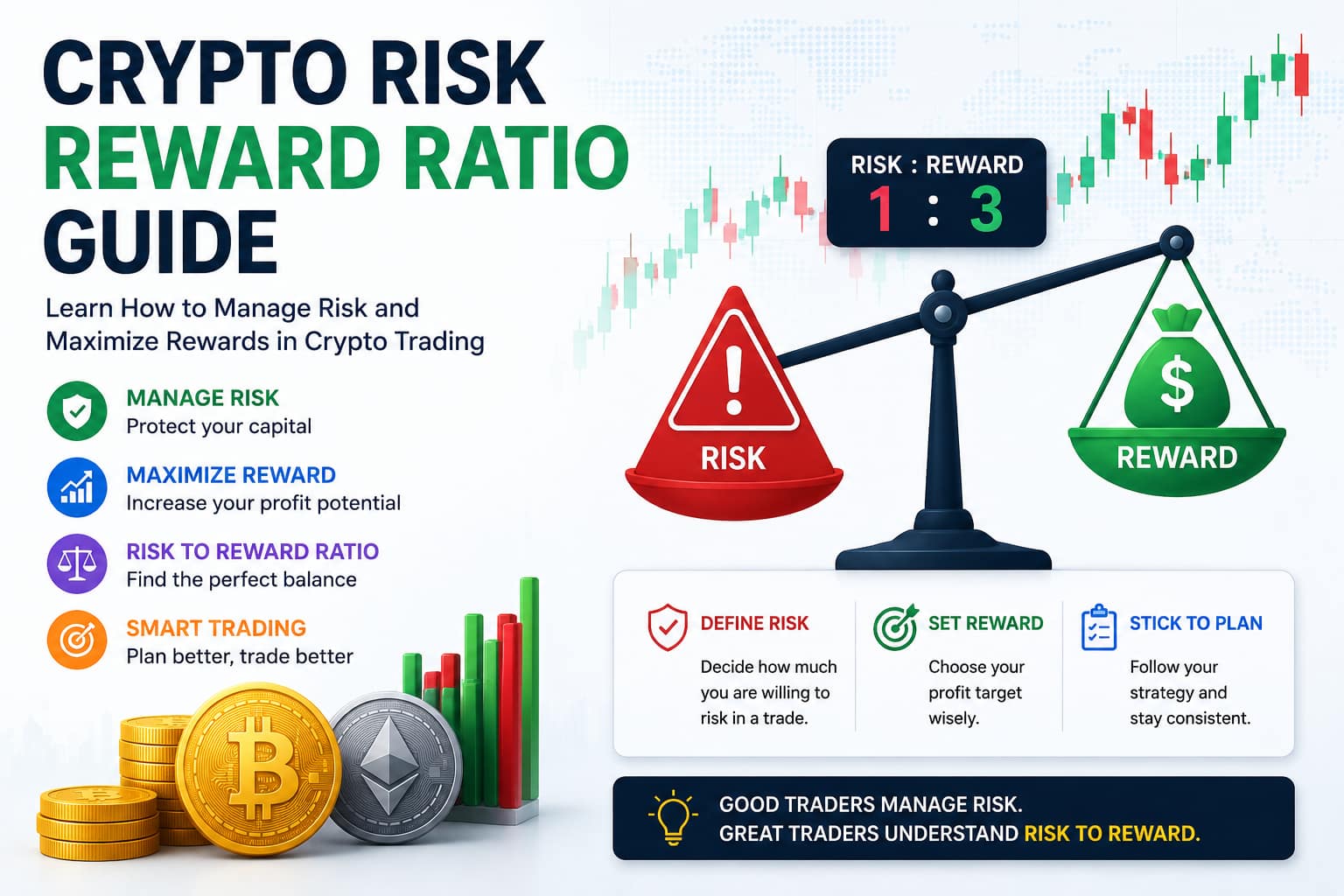
Why Risk Management Matters
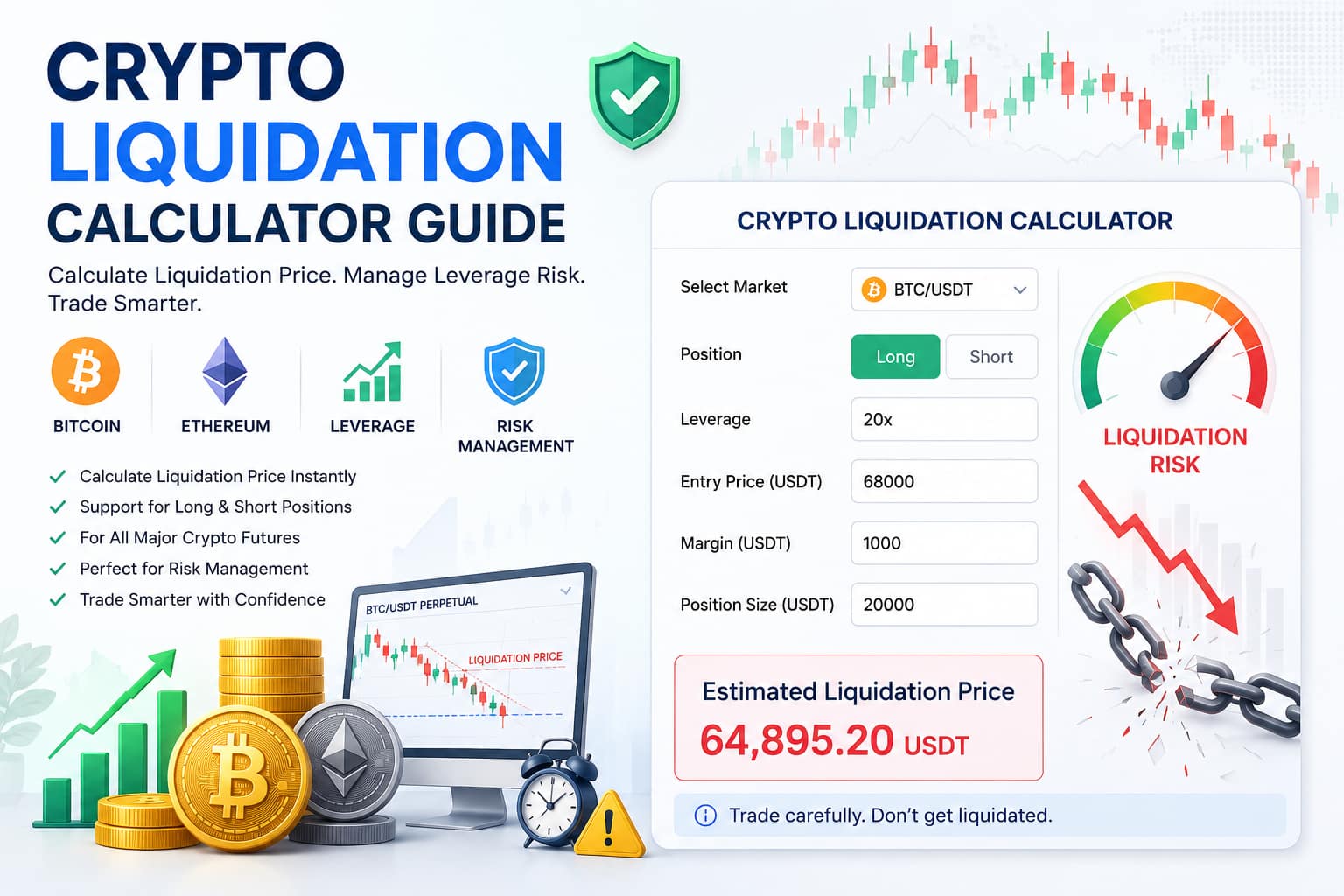
Crypto markets move very fast. Prices can rise or fall within minutes. This is why experienced traders always focus on protecting their capital first.
Good risk management helps traders:
- Avoid emotional trading
- Reduce unnecessary losses
- Improve long-term consistency
- Trade with more confidence
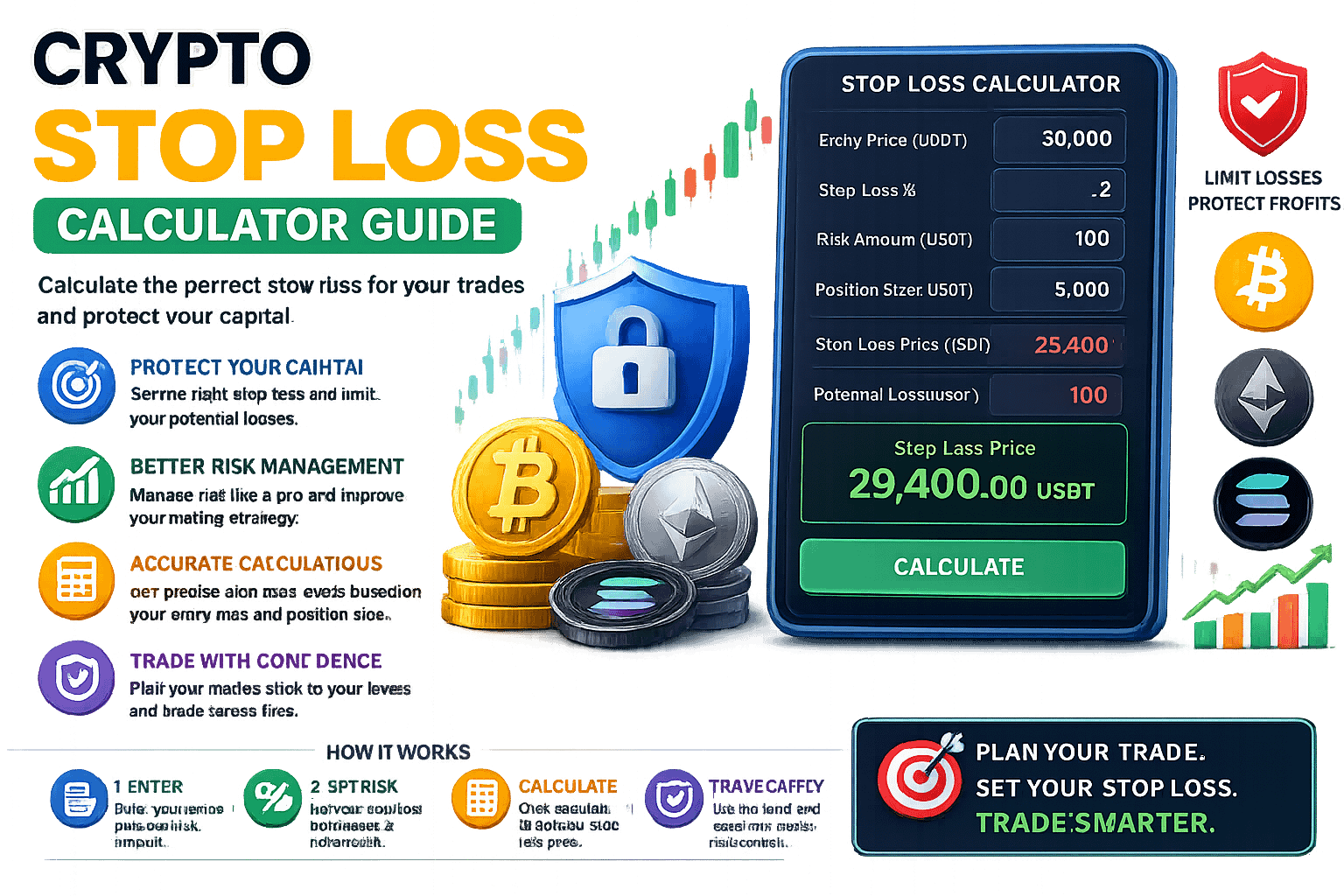
Use Stop Loss to Protect Your Capital
A stop loss automatically closes a trade when the market reaches a certain loss level.
Example:
- Entry Price = $1,000
- Stop Loss = $950
This limits your maximum loss and helps avoid emotional decisions during sudden market crashes.
Focus on Consistency
Professional traders do not chase unrealistic profits. They focus on small, consistent growth while keeping risks under control.
In crypto trading, protecting your capital is often more important than winning every trade.
Final Thoughts
Learning profit and loss management is one of the most important skills in crypto trading. Markets will always remain unpredictable, but traders who control risk and manage emotions usually perform better over time.
A simple strategy, proper discipline, and smart risk management can help beginners build a stronger and more sustainable trading journey.
Related Crypro Calculator:
Crypto Profit & Loss Calculator:
Related Crypto CalculatorGuides :
Crypto Liquidation Calculator Guide :